Your Guide to the Horror Genre
Horror author Christina Escamilla teaches the art of fear and helps you create your own through story, film, and real-world inspiration.
New Book Releases
Recent releases across horror fiction, writing guides, and prompt collections.
Horror Writing Resources
Everything you need to write stronger horror. Explore tools, prompts, templates, and lessons designed to help you move from idea to a finished story.
Manuscript Reviews
Get detailed feedback to strengthen your horror story before you submit or publish.
Learn MoreDaily Horror Prompt
A new prompt each day to keep your ideas active and moving.
View PromptWriting Generators
Quick tools to spark characters, settings, and unsettling ideas.
Start GeneratingWriting Templates
Simple structures to help you plan, draft, and revise your story.
Browse TemplatesHorror Film Analysis
Take a closer look at horror on screen and what makes fear stick.
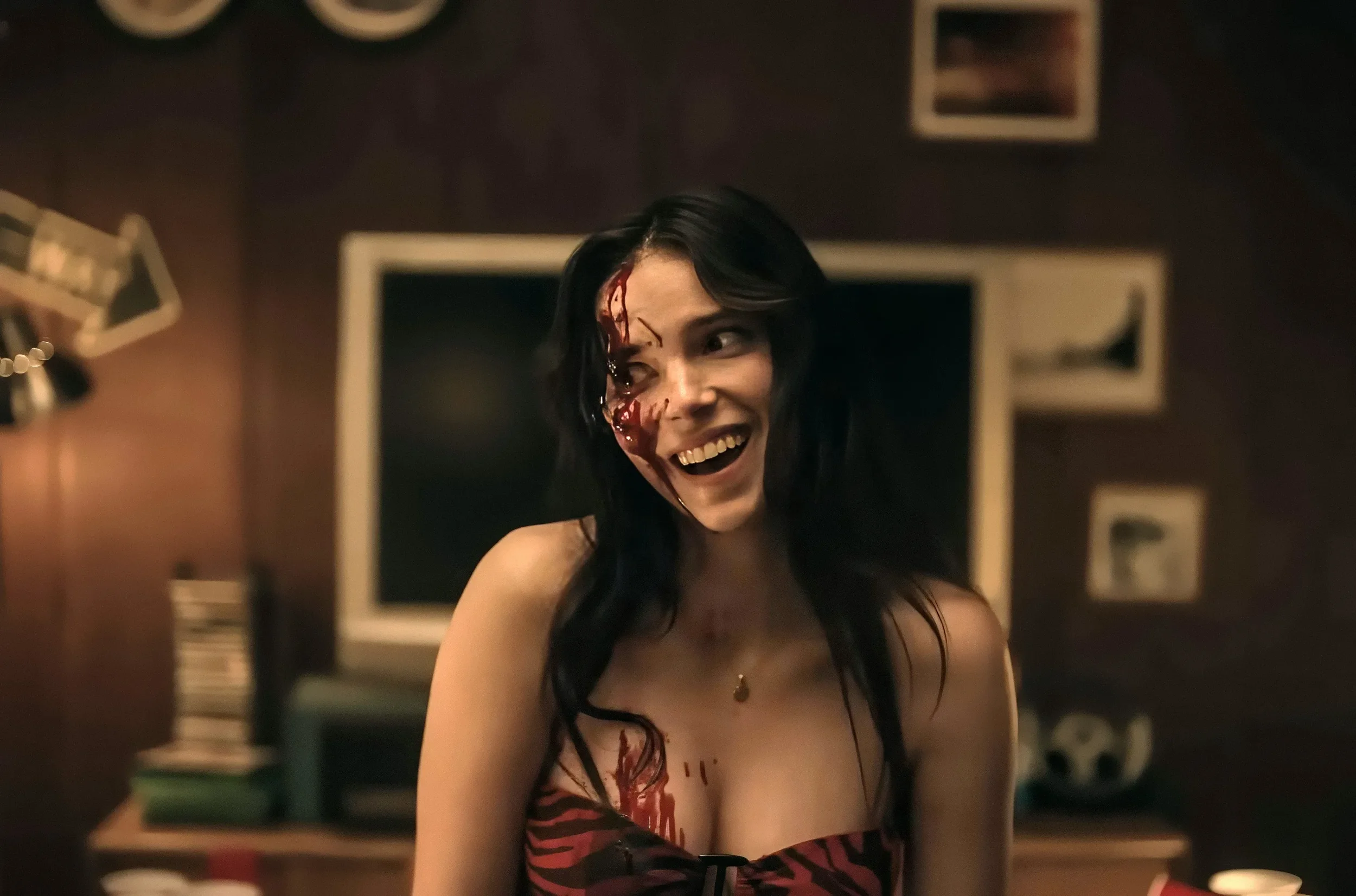
A personal ranking of the best horror movies of 2025, from experimental slow burns to grief-soaked nightmares that linger long after the credits.
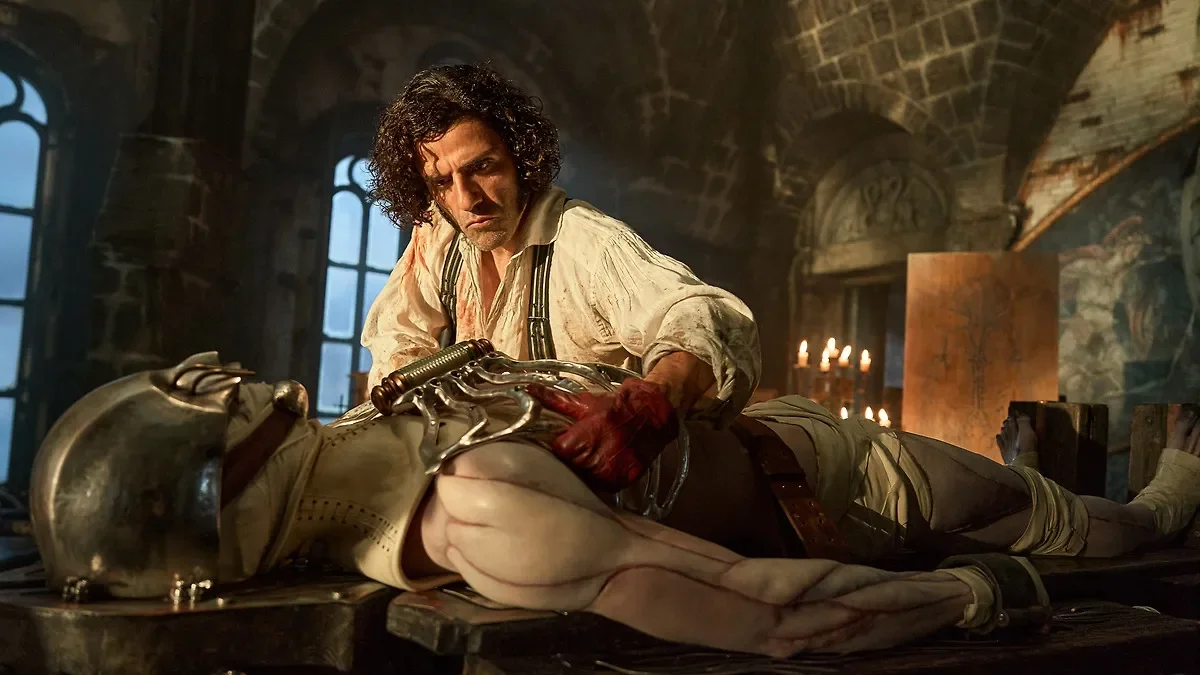
Explore how Guillermo del Toro transforms Frankenstein into a symbolic, emotional fairytale that stands apart from Mary Shelley’s original.
Explore the top Stephen King film adaptations, from Carrie to The Long Walk, and how each redefines horror, humanity, and fear.
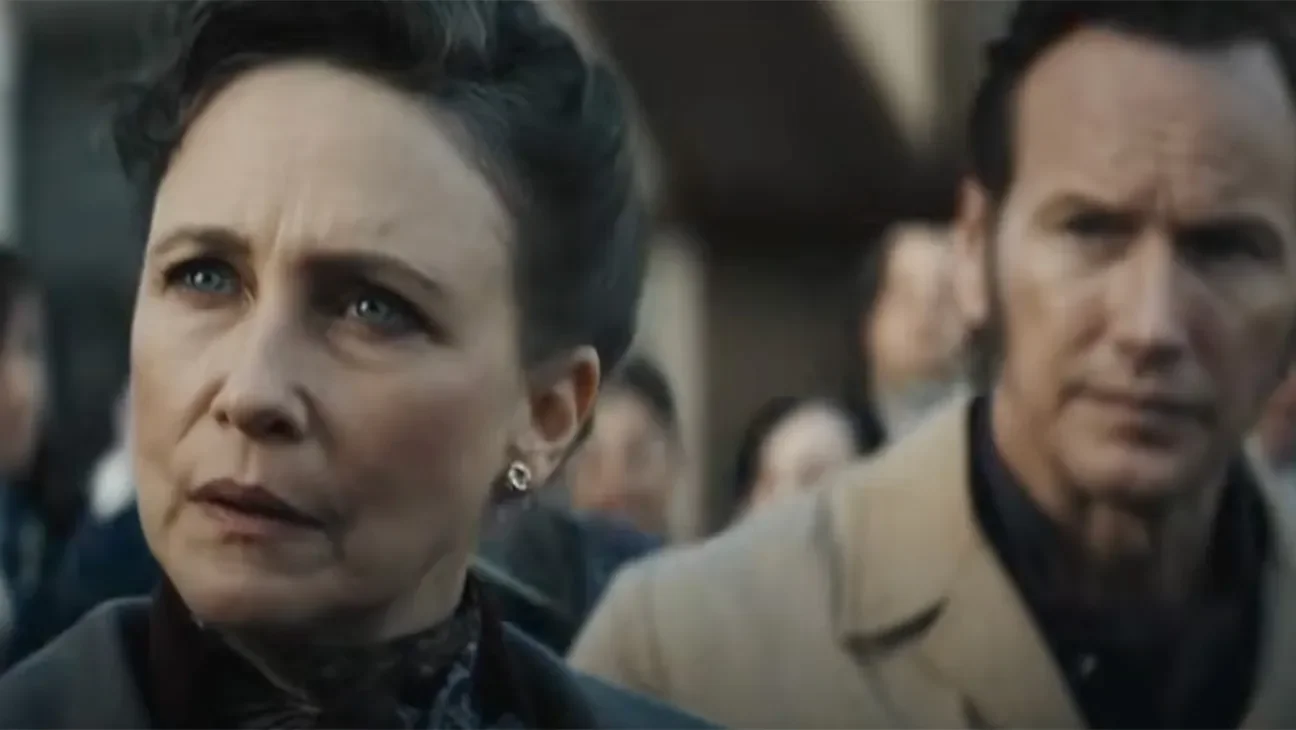
Explore The Conjuring films in order, their true stories, and the Warrens’ controversies. From Annabelle to Last Rites, fact vs. fiction unfolds.
50 years later, Jaws still terrifies. Explore the cinematography and visual techniques that defined Spielberg’s masterpiece.
Weapons (2025) film analysis exploring abuse allegory, folk horror, and the parasite theory in a slow-burn story driven by unpredictability.
A deep dive into Bring Her Back (2025) and how the Philippou brothers use grief as horror’s true antagonist in their most mature film yet.
A bold Southern Gothic horror, Sinners (2025) blends blues, blood, and betrayal to explore race, legacy, and survival in a vampire-ridden South.
Explore the musical techniques in Parker Finn’s Smile 2, from Skye Riley's eerie pop soundtrack to the atmospheric sound design that immerses audiences in psychological terror.
Explore Guillermo del Toro's unique blend of fantasy and horror, from his childhood in Guadalajara to his iconic films like Pan’s Labyrinth and The Shape of Water.
Explore the history, impact, and future of found footage horror films. From Blair Witch to Paranormal Activity, learn how the genre changed the game.
Examine how horror films portray disability, revealing both progressive representations and problematic stereotypes.
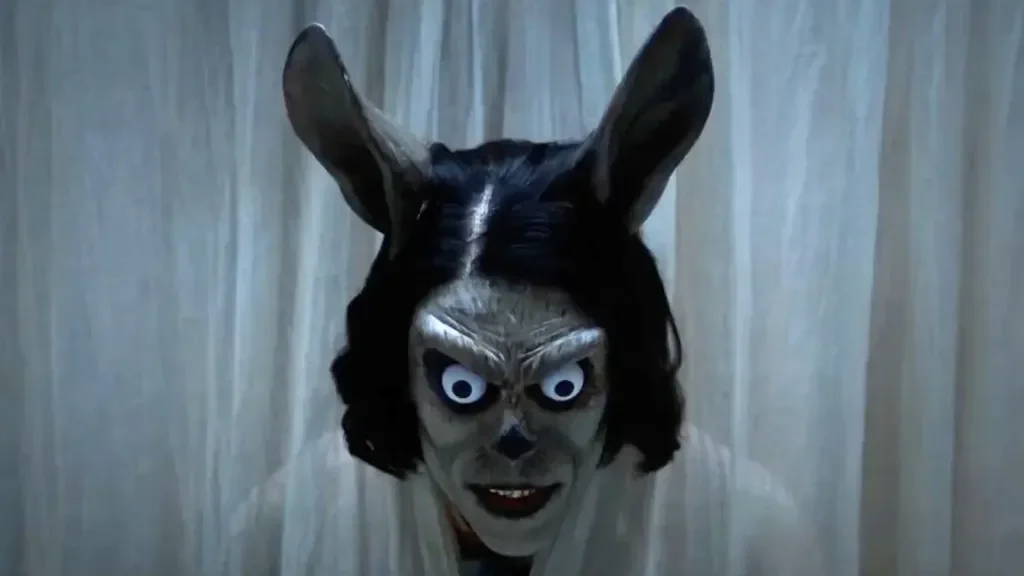
Explore 'Long Legs' (2024): a deep dive into the film's themes of parental secrets and the occult, revealing a darker side of protection.
Dive into Alfred Hitchcock's Psycho—from its iconic shower scene to its shaping of the slasher genre, discover what makes this classic so terrifying even today.
Horror Writing Tips
Simple, practical tips to help you write better horror.
Explore common horror tropes and learn how to subvert them to create fresh, unpredictable stories that keep readers on edge.
Learn how to write believable horror protagonists readers care about, with tips and examples from horror films and classic literature.
Discover how to balance gore effectively in horror writing, from splatterpunk to subtle scares. Learn when gore enhances and when it detracts.
Learn how to give your horror character a compelling history through character backstory techniques and character building writing tips.
Discover 7 essential tips for crafting chilling horror novels, from understanding the biology of fear to using familiar settings for maximum unease.
Learn how to write horror exposition that reveals dark backstory, builds tension, and keeps readers uneasy without overexplaining your story.
Unlock the secrets to crafting unforgettable plots. Explore the balance between character and action to create horror stories that resonate with your audience.
Learn how to create immersive horror worldbuilding through setting, atmosphere, and detail that pulls readers into your story and keeps them there.
Stephen King has several writing tips that you can use to make you better at your craft. Learn what they are and how you can use them in your writing.
The Basement Method can be used to increase the tension to map out individual scenes or the larger narrative. Learn how to use this method effectively.
Psychological horror fiction is a subgenre that focuses on individual fears and uncertainties. Learn why we love it and how to write it effectively.
There are three steps to writing horror. First, you must understand what horror does, why it is important, and the elements to include when writing it.
Villains, or antagonists, are often some of the most memorable characters in any given story. Learn how to write these nefarious characters effectively.
Real Horror Locations for Darker Stories
As your horror field researcher, Christina Escamilla documents real scary locations so you don’t have to. Every entry is built from atmosphere, history, and that will inspire your darkest works.

Meet Your Horror Guide
Christina Escamilla is your guide to the art of fear, from the screams on screen to the real places filled with haunted lore. Learn what led her to write what scares her.


Discover how war and crisis influence horror films, shaping themes, subgenres, and modern psychological horror.